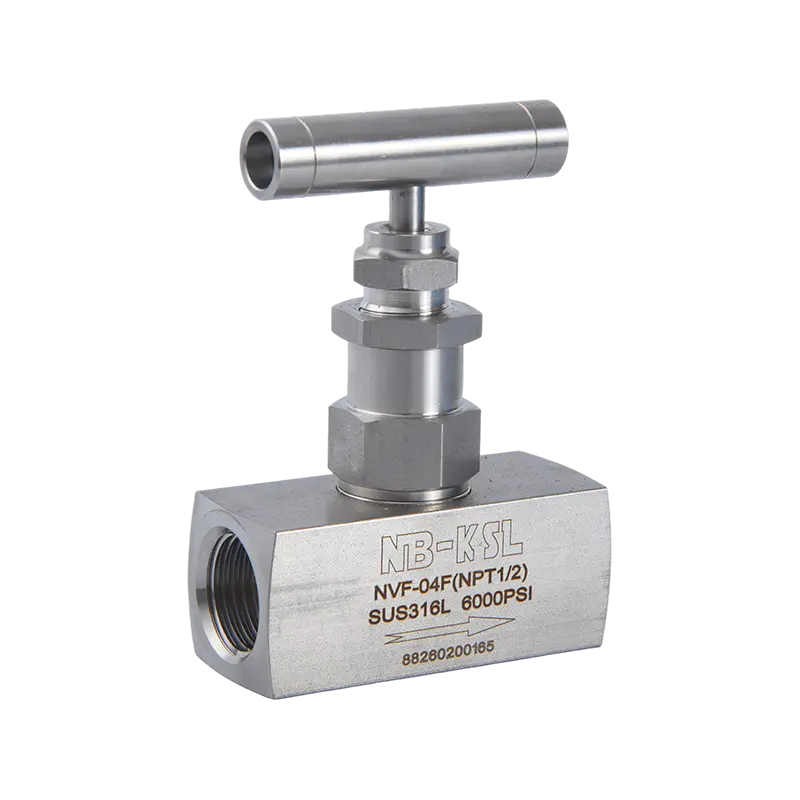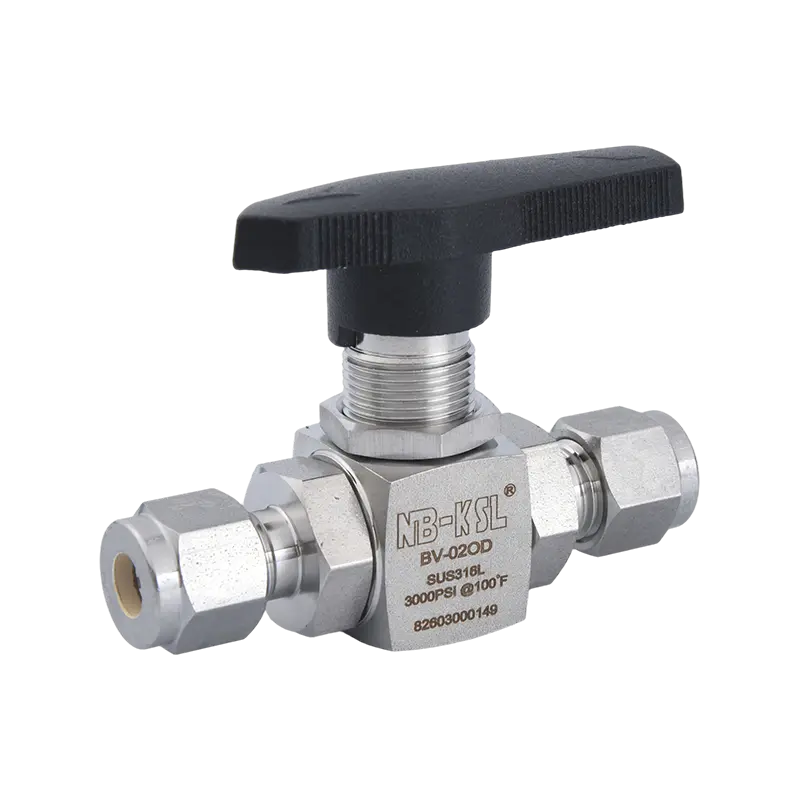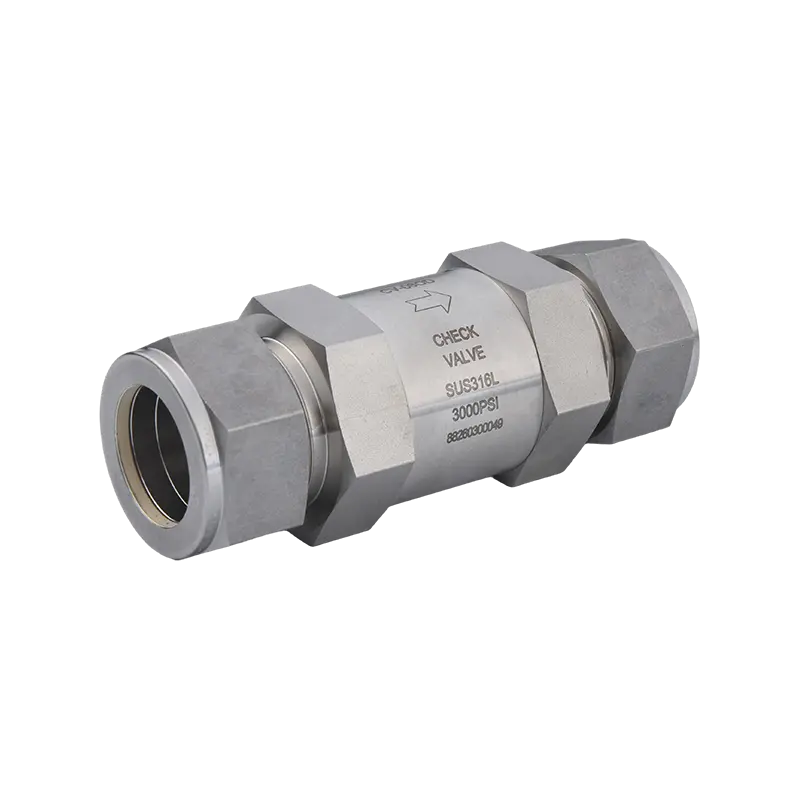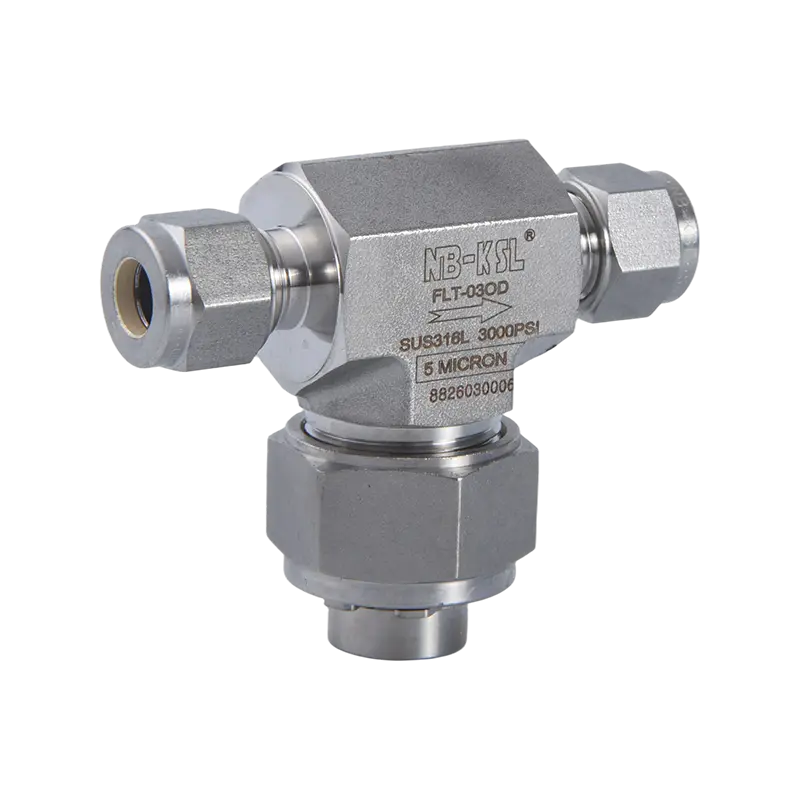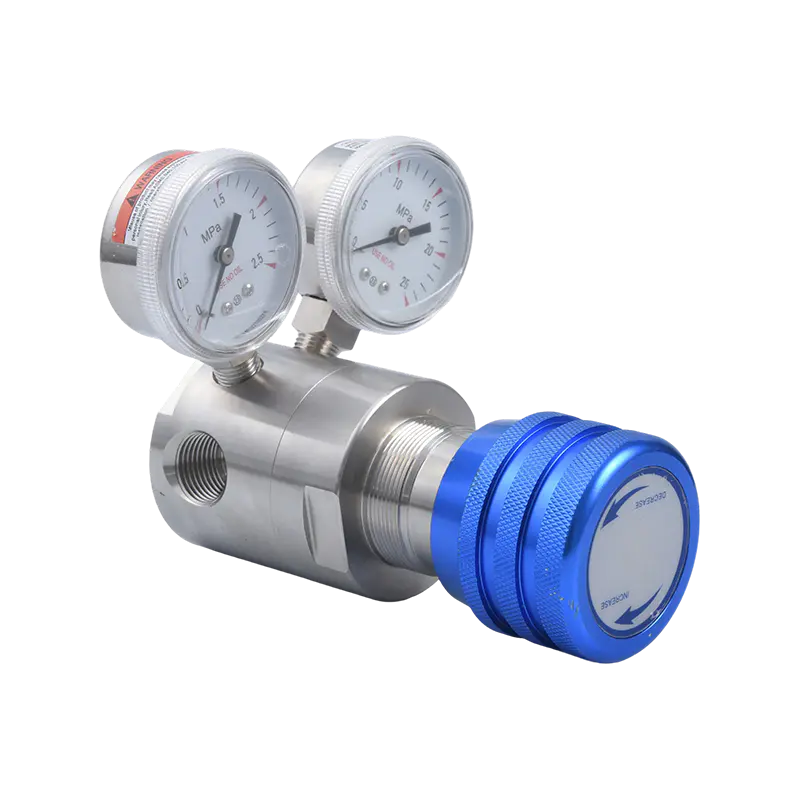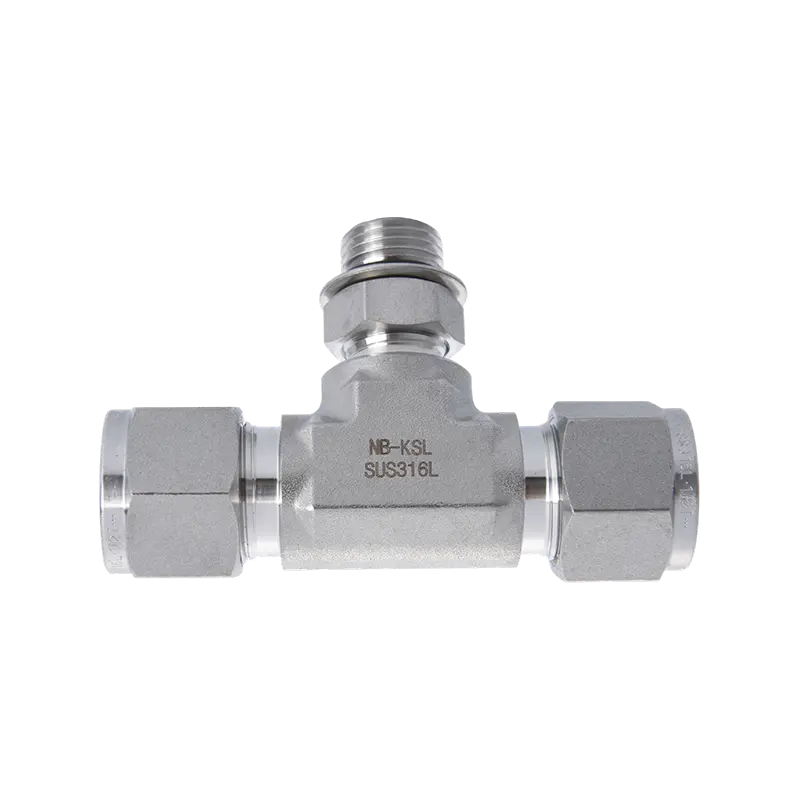
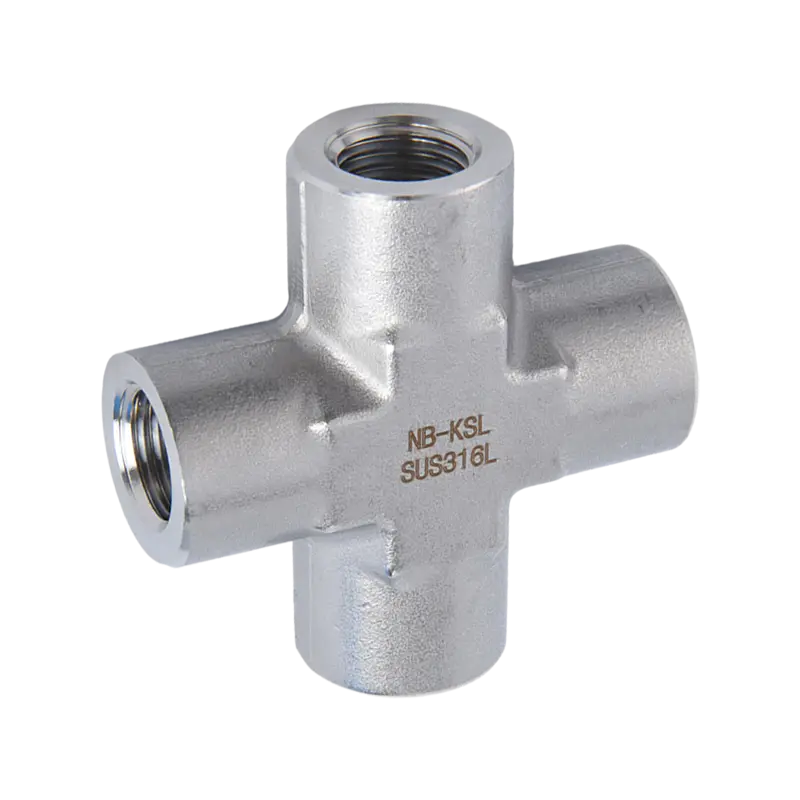


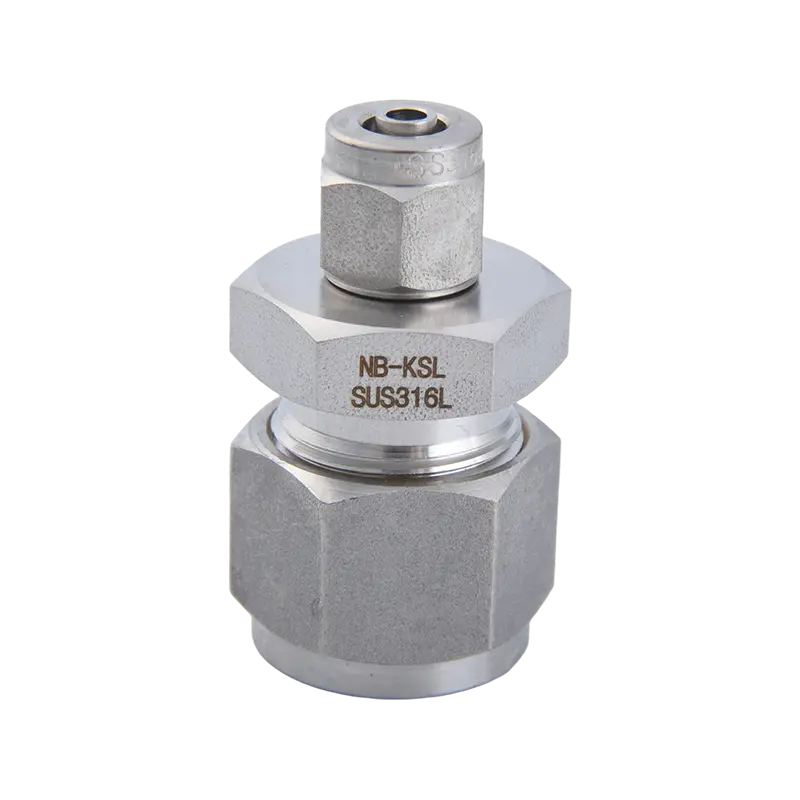
Este conector recto cónico de alto rendimiento está diseñado para entornos de alta presión, alta ...
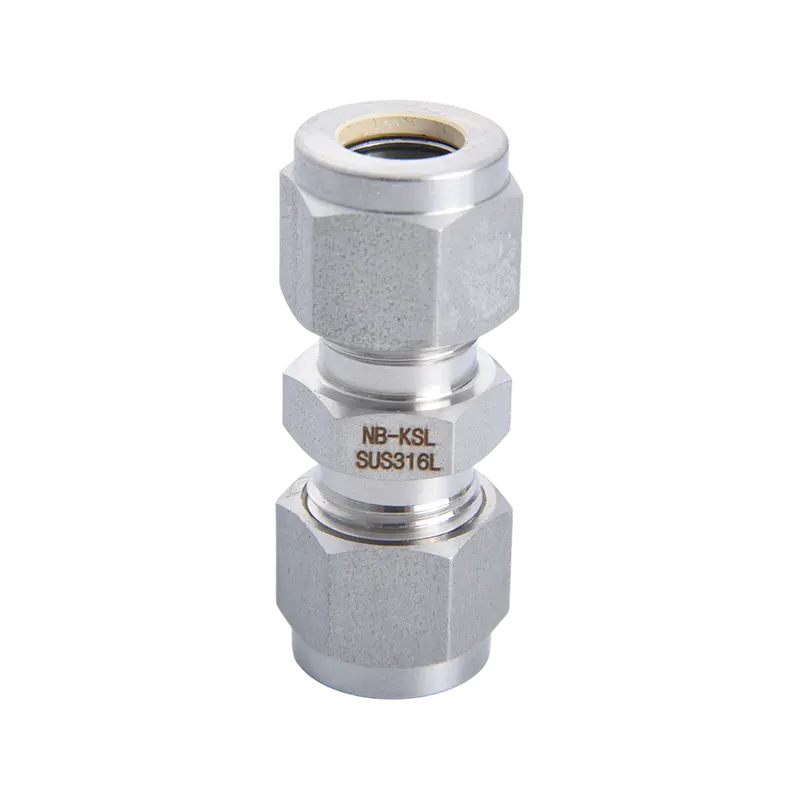
1. Resistencia superior a la corrosión (grado 316L) Ventaja de bajas emisiones de carbono: La ...
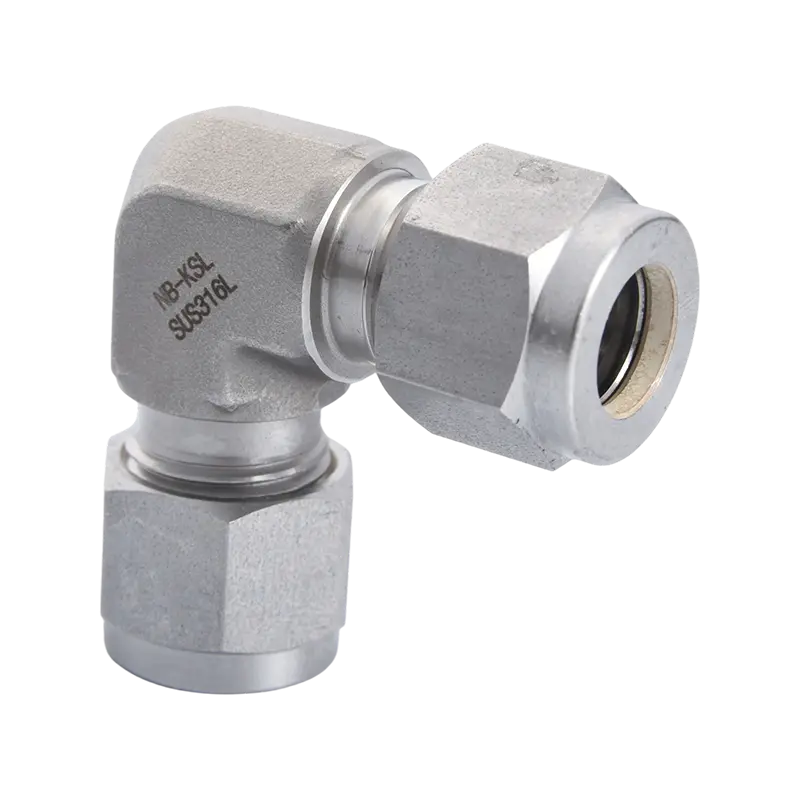
En diseños de tuberías complejos, un giro de 90 grados suele ser el lugar donde se concentran más...
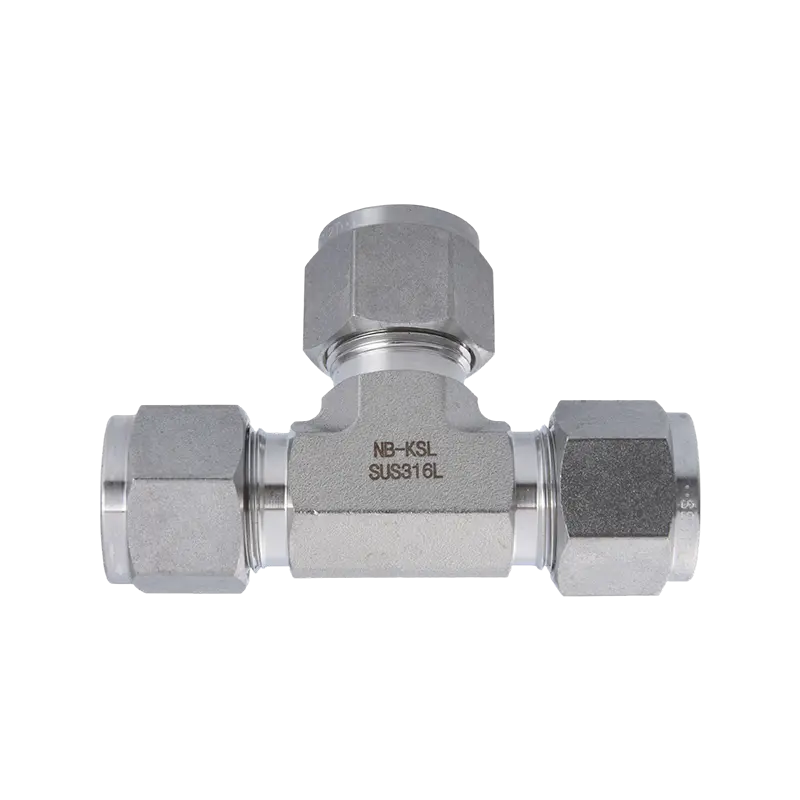
Unión en T de compresión de acero inoxidable 316L: ramificación de precisión para sistemas de alt...
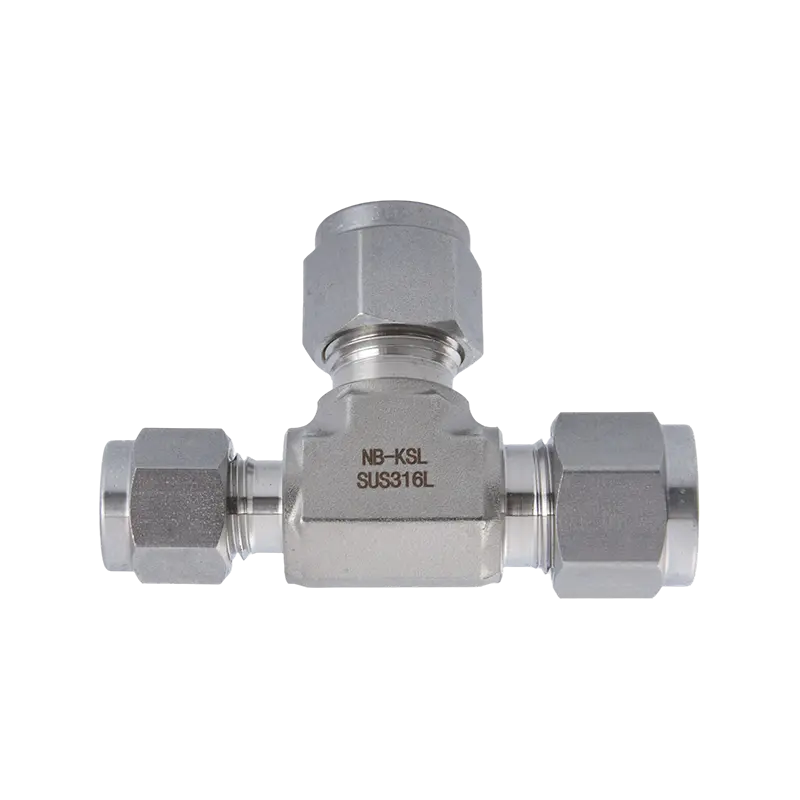
En sistemas de fluidos industriales complejos, la T de unión reductora de compresión de acero ino...
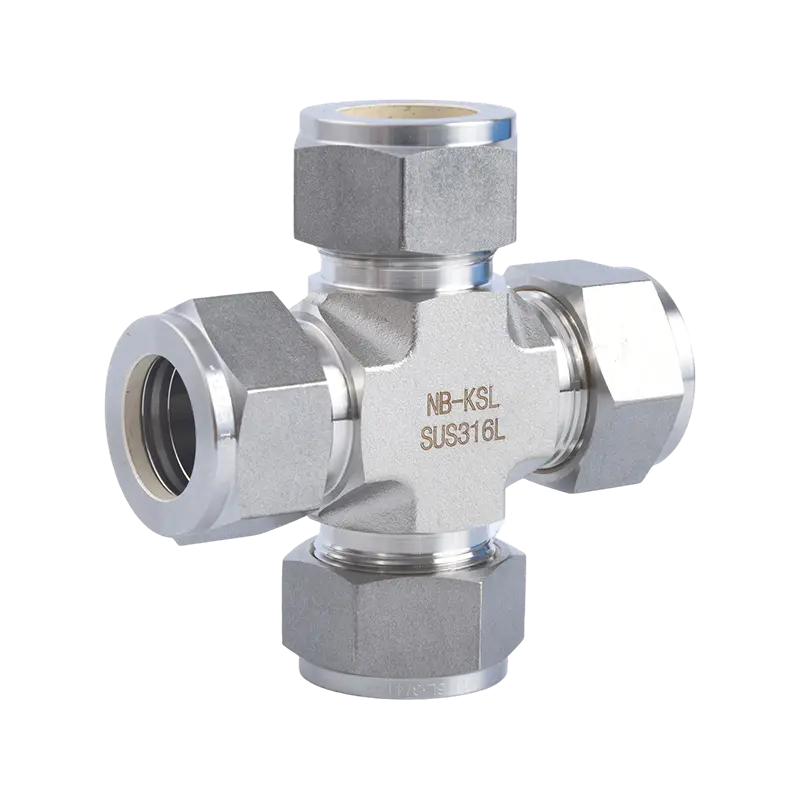
En sistemas de control y tuberías complejos, la cruz de unión de compresión de acero inoxidable 3...
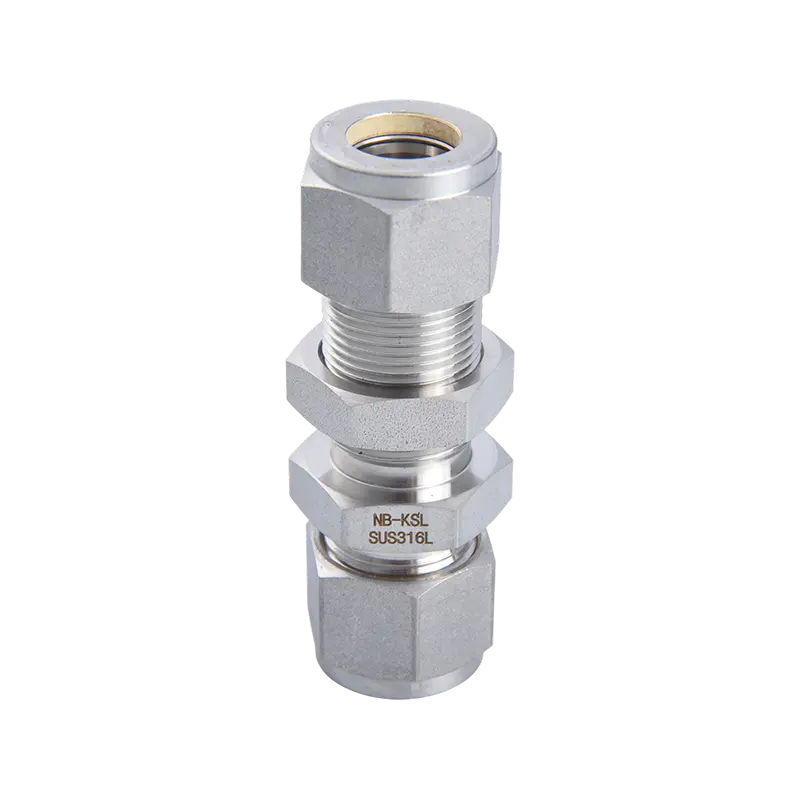
El conector recto de mamparo de acero inoxidable 316L es un componente crítico diseñado para faci...

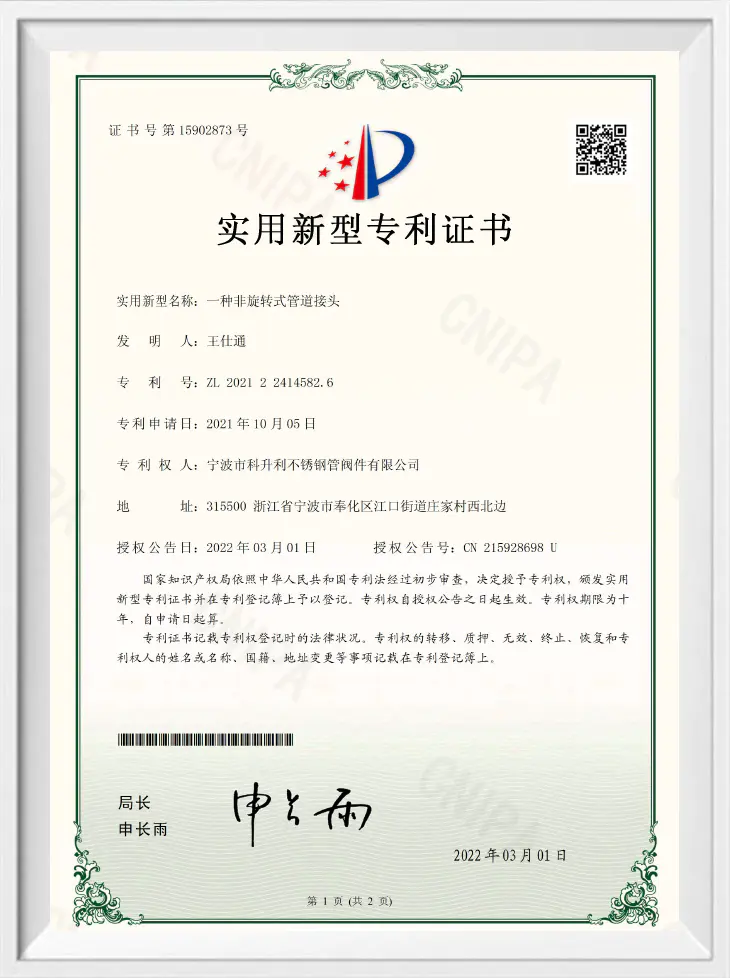
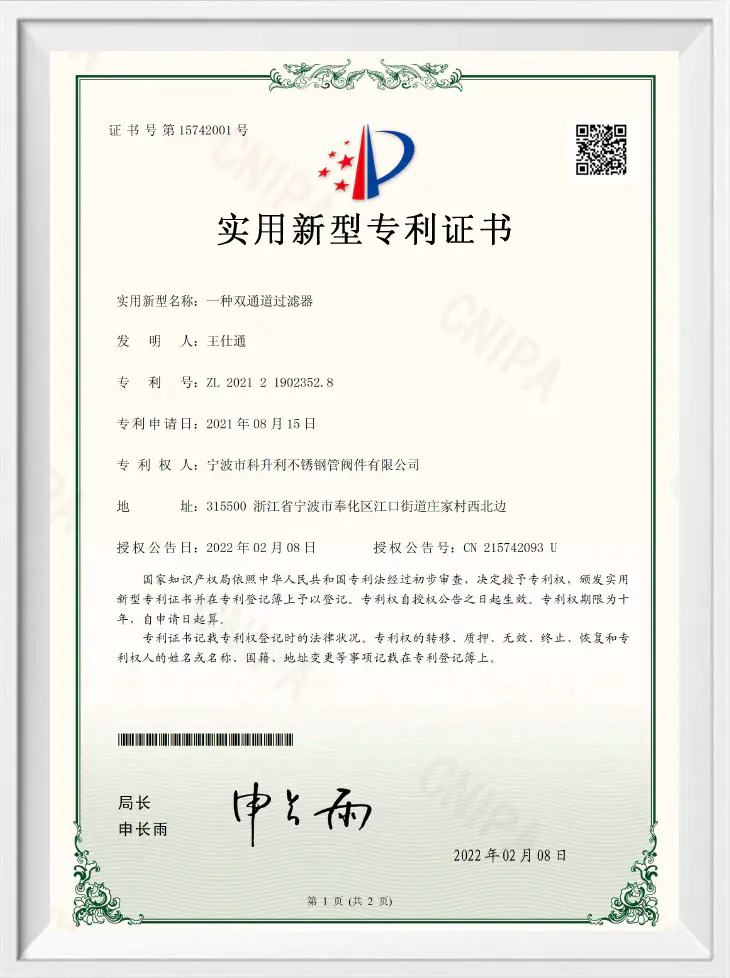
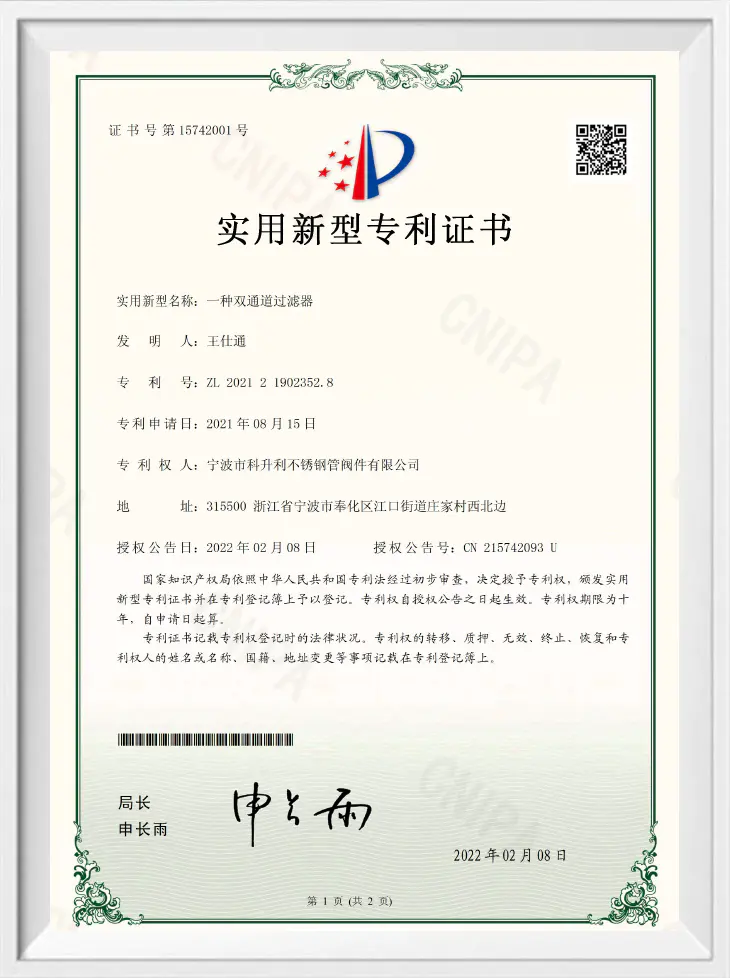
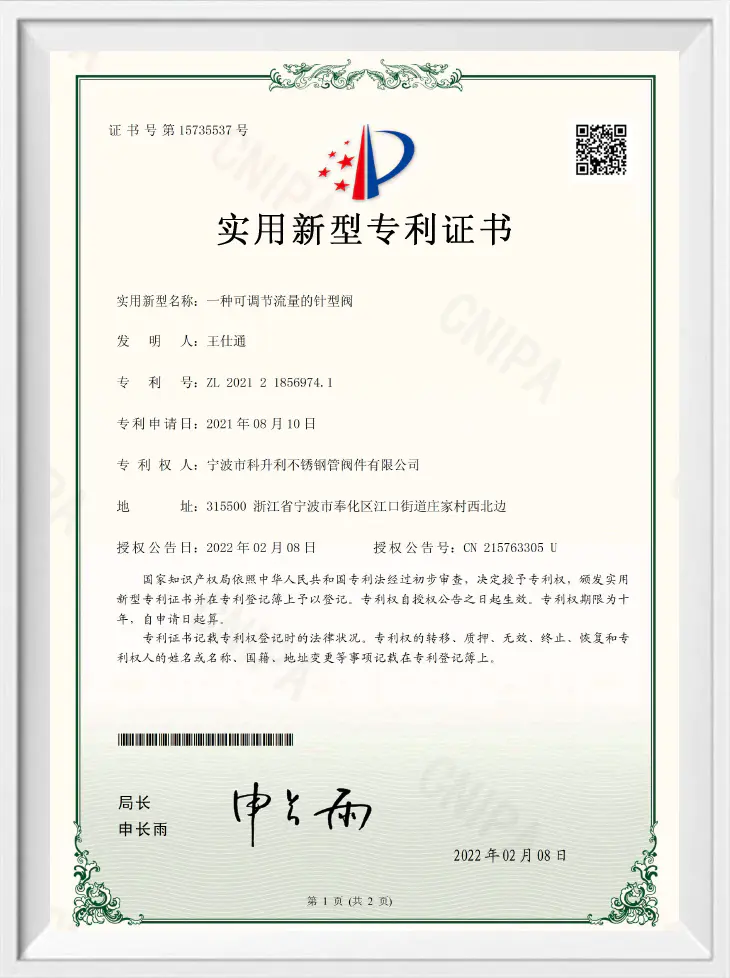
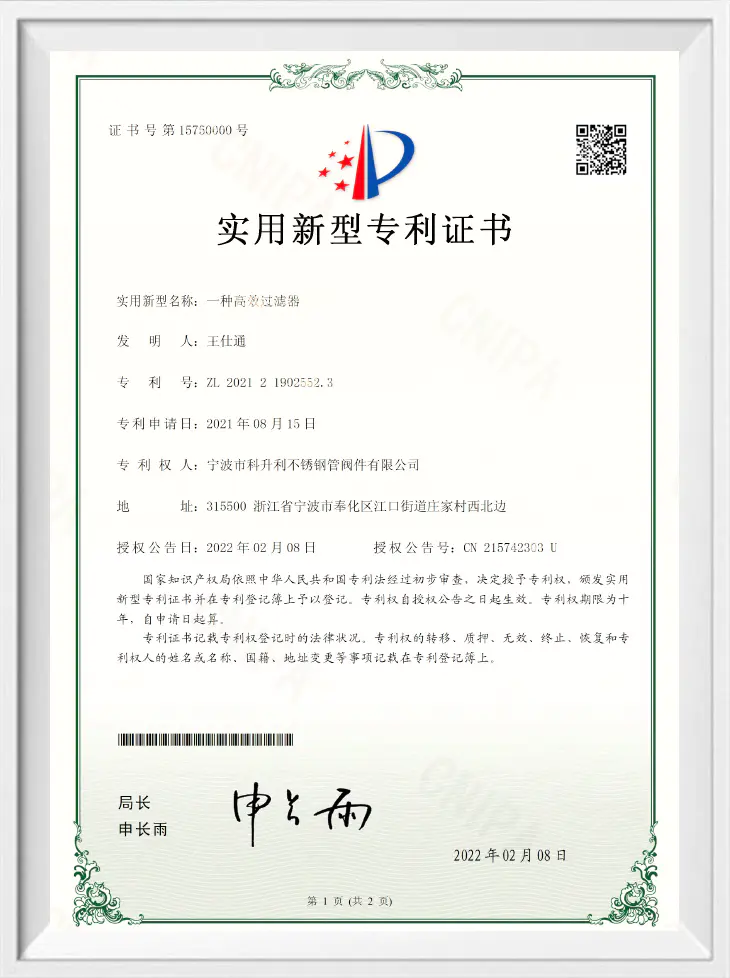
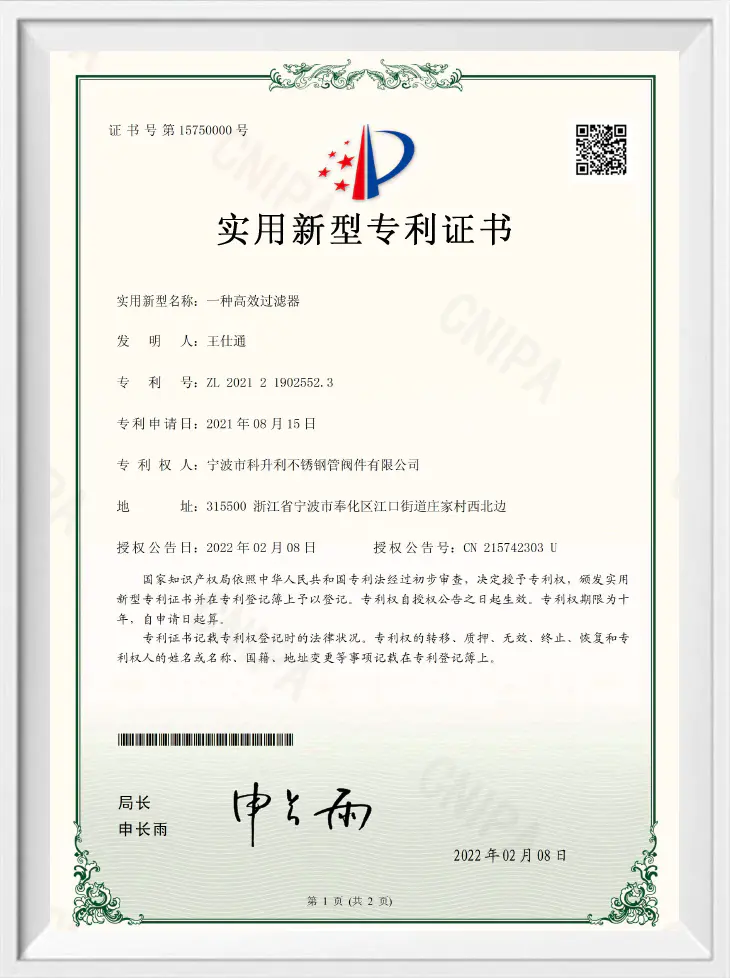
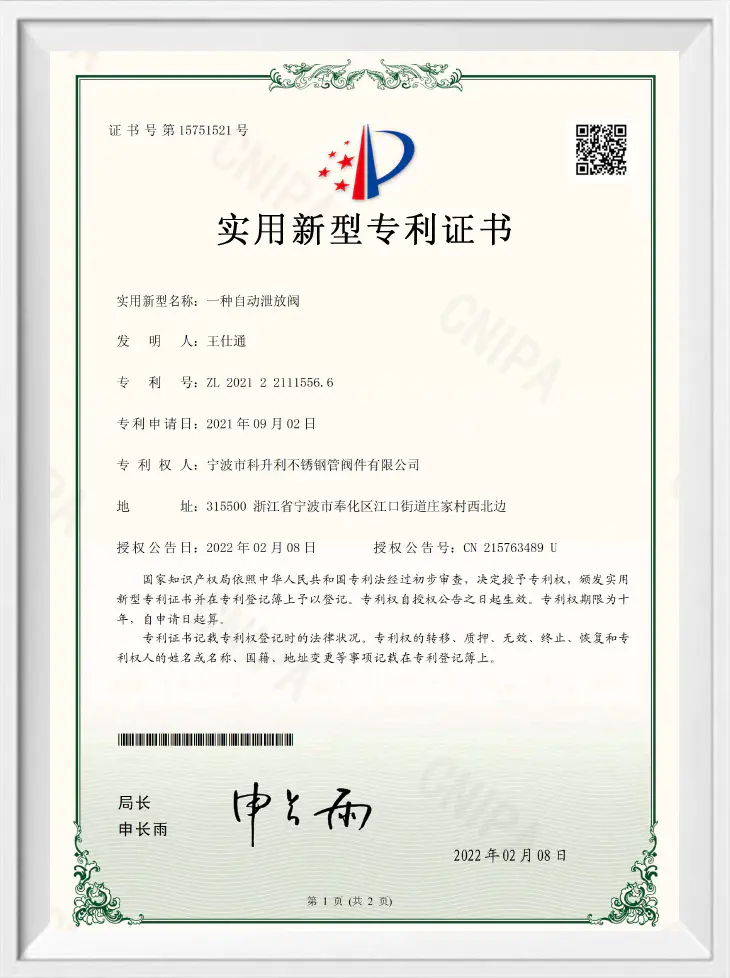
Como China Acero inoxidable Tubo a unión Proveedores y Acero inoxidable Tubo a unión Fabricantes, Nuestra empresa se especializa en la fabricación y venta de accesorios para tuberías y válvulas de acero inoxidable según normas nacionales (GB), americanas (ANSI/ASME) y británicas (BS). Contamos con centros de mecanizado CNC avanzados, instalaciones de prueba de materiales y tratamiento térmico, un equipo técnico capacitado y una sólida fuerza laboral de producción. Con un sistema de gestión de calidad sólido y un excelente servicio postventa, servimos sinceramente a clientes de todo el mundo.
Nuestros productos principales incluyen: accesorios tipo abrazadera, accesorios roscados, accesorios para instrumentos, válvulas de aguja para instrumentos, válvulas de bola para instrumentos, válvulas de aguja con abrazadera, válvulas de bola con abrazadera, válvulas de aguja compactas de alta presión para instrumentos, válvulas de bola compactas de alta presión para instrumentos y válvulas de retención de alta presión. El material principal es acero inoxidable SS316. Estos productos se utilizan ampliamente en las industrias petroquímica, petrolera, eléctrica, farmacéutica, alimentaria, papelera, marina y de maquinaria general.
Controlamos estrictamente la calidad del producto en cada etapa y estamos comprometidos a ofrecer calidad superior mediante tecnología avanzada y gestión profesional. Adhiriéndonos a la filosofía empresarial de "Calidad Primero, Cliente Supremo, Integridad Ante Todo", nos esforzamos por construir la imagen de marca "NB-KSL", servir mejor a nuestros clientes y trabajar junto con usted para crear un futuro próspero.
cuando hablamos de deflagración , estamos analizando un tipo específico de combustión en el que un frente de llama se mueve a través de una mezcla de combustible y oxidante a velocidades subsónicas. Es el modo más común de ...
Un ingeniero de procesos me preguntó una vez por qué una nueva válvula de aguja de 3/8 de pulgada no podía mantener la presión aguas abajo. La válvula no estaba defectuosa; era de gran tamaño. Cada pequeño giro del vástago movía más f...
Un tanque de techo fijo almacena un solvente aromático inflamable. Su línea de ventilación corre hacia un colector de recolección de vapor. Una chispa eléctrica de una bomba cercana puede encender la mezcla de vapor y aire. El frente ...
Considere una línea de gas que acaba de ser purgada y rellenada con una mezcla inflamable. Un soldador de mantenimiento produce chispas y un pequeño frente de llama comienza a moverse por la tubería. La pregunta no es si arderá, sino ...
A Tube to Union is a precision-engineered detachable pipe fitting designed to connect two sections of tubing securely while allowing easy disassembly without cutting or welding. In modern industrial piping systems, this type of fitting plays a crucial role in ensuring both sealing reliability and long-term maintainability. It is widely used in instrumentation systems, chemical processing lines, hydraulic equipment, oil and gas pipelines, and high-purity gas distribution systems.
Structurally, a Tube to Union typically consists of three main parts: the male end, the female end, and a sealing interface. When assembled, these components are tightly compressed to form a leak-tight connection. Depending on application requirements, sealing may be achieved through metal-to-metal contact or with the assistance of precision-engineered sealing rings. This modular design allows engineers to quickly disconnect and reconnect pipelines without damaging tubing.
From an engineering perspective, Tube to Union fittings are essential because modern industrial systems increasingly demand flexibility. Unlike welded joints, which are permanent and require cutting tools for modification, unions allow rapid system reconfiguration. This is particularly valuable in laboratories, pilot plants, and production environments where system layouts change frequently.
As a professional manufacturer, Ningbo Keshengli Stainless Steel Valve Co., Ltd. focuses on producing high-precision stainless steel fittings, including Tube to Union products designed for demanding industrial environments. Our products are engineered with strict dimensional control and surface finishing standards to ensure stable sealing performance even under high pressure and vibration conditions.
Tube to Union fittings are also critical in reducing downtime. In industrial maintenance scenarios, technicians can quickly remove and replace components without shutting down entire systems for extended periods. This significantly improves operational efficiency and reduces maintenance costs.
| Parameter | Typical Range | Description |
|---|---|---|
| Material | SS304 / SS316L | Corrosion-resistant stainless steel |
| Pressure Rating | Up to 6000 psi+ | Suitable for high-pressure systems |
| Temperature Range | -50°C to 450°C | Industrial adaptability |
| Sealing Type | Metal-to-metal / elastomer | Depends on application |
| Connection Type | Threaded / compression | Flexible installation |
In addition, Tube to Union fittings are widely used in systems requiring frequent inspection or calibration, such as pressure measurement lines and gas sampling systems. Their ability to maintain a stable seal after repeated assembly makes them indispensable in precision engineering applications.
FAQ – Tube to Union Fundamentals
Q1: What is the main function of a Tube to Union?
A1: It connects tubing securely while allowing easy disassembly for maintenance.
Q2: Is welding required for installation?
A2: No, Tube to Union fittings are designed for non-welded installation.
Q3: Can they be reused multiple times?
A3: Yes, they are designed for repeated assembly and disassembly.
The widespread adoption of Tube to Union fittings in modern industries is driven by increasing demands for system flexibility, safety, and operational efficiency. As industrial processes become more complex, engineers require connection systems that combine strong sealing performance with easy maintenance capabilities.
One of the key advantages of Tube to Union fittings is their excellent pressure resistance. In hydraulic and pneumatic systems, pressure fluctuations and mechanical vibrations are common. A properly designed union fitting can maintain a stable seal even under dynamic load conditions, preventing leakage and system failure.
Another major advantage is maintenance efficiency. Traditional welded piping systems require cutting, welding, and reassembly when modifications or repairs are needed. This process is time-consuming, expensive, and often results in system downtime. Tube to Union fittings eliminate this issue by enabling quick disassembly without damaging the pipeline.
In high-purity industries such as semiconductor manufacturing, pharmaceuticals, and analytical laboratories, cleanliness is critical. Tube to Union fittings made from stainless steel (especially SS316L) provide smooth internal surfaces that minimize contamination risk and ensure consistent fluid or gas purity.
As a trusted manufacturer, Ningbo Keshengli Stainless Steel Valve Co., Ltd. produces Tube to Union fittings designed for both general industrial and high-precision applications. Our engineering focus includes tight tolerance control, advanced surface polishing, and rigorous pressure testing to ensure reliable performance.
| Feature | Welded Joints | Tube to Union |
|---|---|---|
| Installation | Permanent | Detachable |
| Maintenance | Difficult | Easy |
| Reusability | None | High |
| System Downtime | High | Low |
| Flexibility | Low | High |
Tube to Union systems also support modular engineering design. This means entire piping systems can be reconfigured without major structural changes, making them ideal for rapidly evolving industrial environments.
In addition, their reliability under vibration and thermal expansion conditions makes them suitable for mobile equipment and high-temperature systems.
FAQ – Industrial Applications
Q1: Where are Tube to Union fittings commonly used?
A1: Instrumentation, hydraulic systems, gas lines, and chemical processing.
Q2: Are they suitable for high-purity systems?
A2: Yes, especially stainless steel SS316L versions.
Q3: Do they reduce maintenance costs?
A3: Yes, significantly due to easy disassembly and reuse.
Selecting the appropriate Tube to Union fitting is critical for ensuring long-term system safety, efficiency, and performance. Different industrial applications require different pressure ratings, material grades, sealing structures, and dimensional specifications.
The first factor to consider is pressure rating. The fitting must safely withstand both normal operating pressure and occasional pressure surges. Choosing an under-rated fitting may result in leakage or mechanical failure, while over-design may increase unnecessary costs.
Material selection is equally important. Stainless steel is the preferred choice due to its strength and corrosion resistance. SS304 is commonly used in general applications, while SS316L is recommended for corrosive or high-purity environments. In specialized systems, material traceability and certification are also important factors.
Sealing type is another key consideration. Metal-to-metal sealing is suitable for high-pressure and high-temperature environments, while elastomer-based seals provide flexibility for lower-pressure systems. The choice depends on system requirements and operating conditions.
Dimensional compatibility must also be carefully evaluated. Tube outer diameter, wall thickness, and thread standards must match precisely to ensure proper sealing and mechanical stability.
Environmental conditions such as vibration, temperature fluctuations, and chemical exposure should also be considered when selecting fittings. Harsh environments require more robust designs with enhanced sealing performance.
At Ningbo Keshengli Stainless Steel Valve Co., Ltd., we provide both standard and customized Tube to Union solutions. Our OEM/ODM capabilities allow customers to define specifications based on real engineering requirements, ensuring optimal system performance.
| Factor | Recommendation |
|---|---|
| Pressure | Match system maximum pressure |
| Material | SS304 or SS316L based on media |
| Seal Type | Metal seal or elastomer seal |
| Application | Instrumentation, hydraulic, gas systems |
| Environment | Temperature, corrosion, vibration |
A properly selected Tube to Union not only improves system reliability but also reduces long-term operational and maintenance costs.
FAQ – Selection Guide
Q1: What is the most important selection factor?
A1: Pressure rating compatibility with the system.
Q2: Can Tube to Union fittings be customized?
A2: Yes, OEM/ODM customization is available.
Q3: Which material is best for corrosive environments?
A3: SS316L stainless steel is recommended.
 1 Zhongxin Yungu Zona D Edificio 1, calle Jiangkou, distrito de Fenghua, ciudad de Ningbo, provincia de Zhejiang, China
 +86-574-88561893 / +86-15057497901
 Derechos de autor © Ningbo Keshengli Stainless Steel Valve Co., Ltd. Todos los derechos reservados.
Acero inoxidable OEM/ODM Tubo a unión Proveedores